

Giant Anteater is a Symbol of Wildlife and Nature
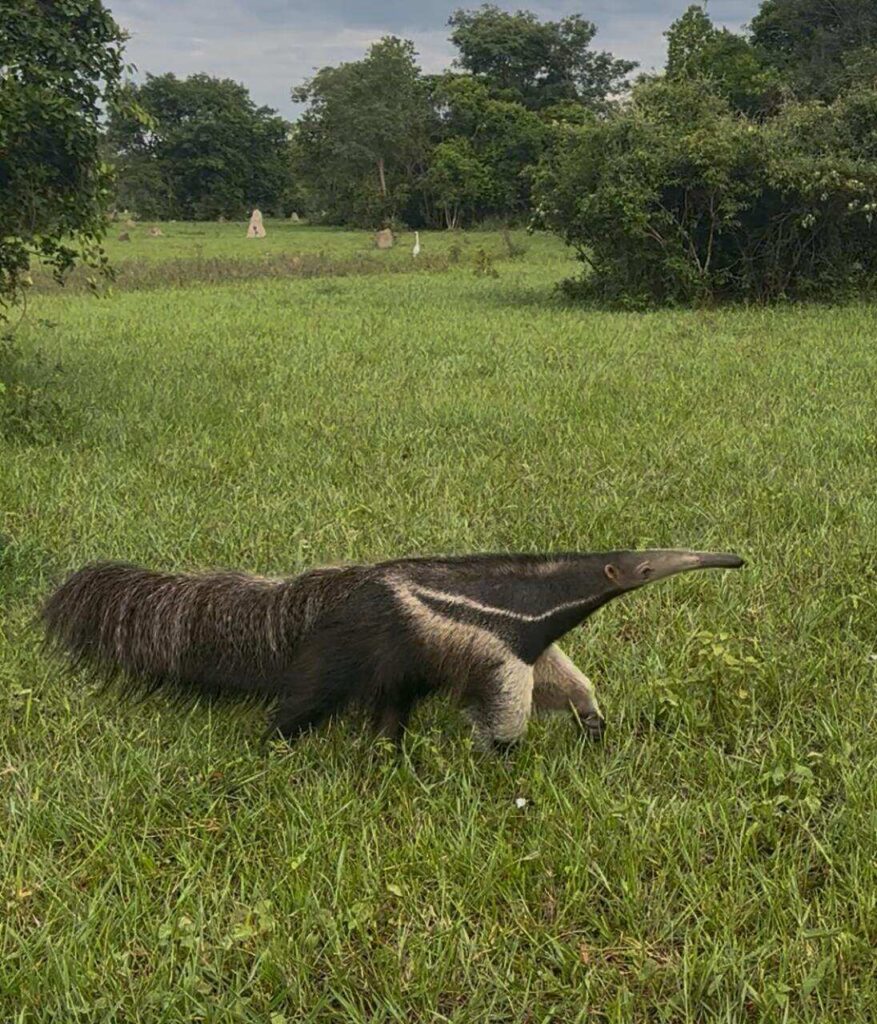
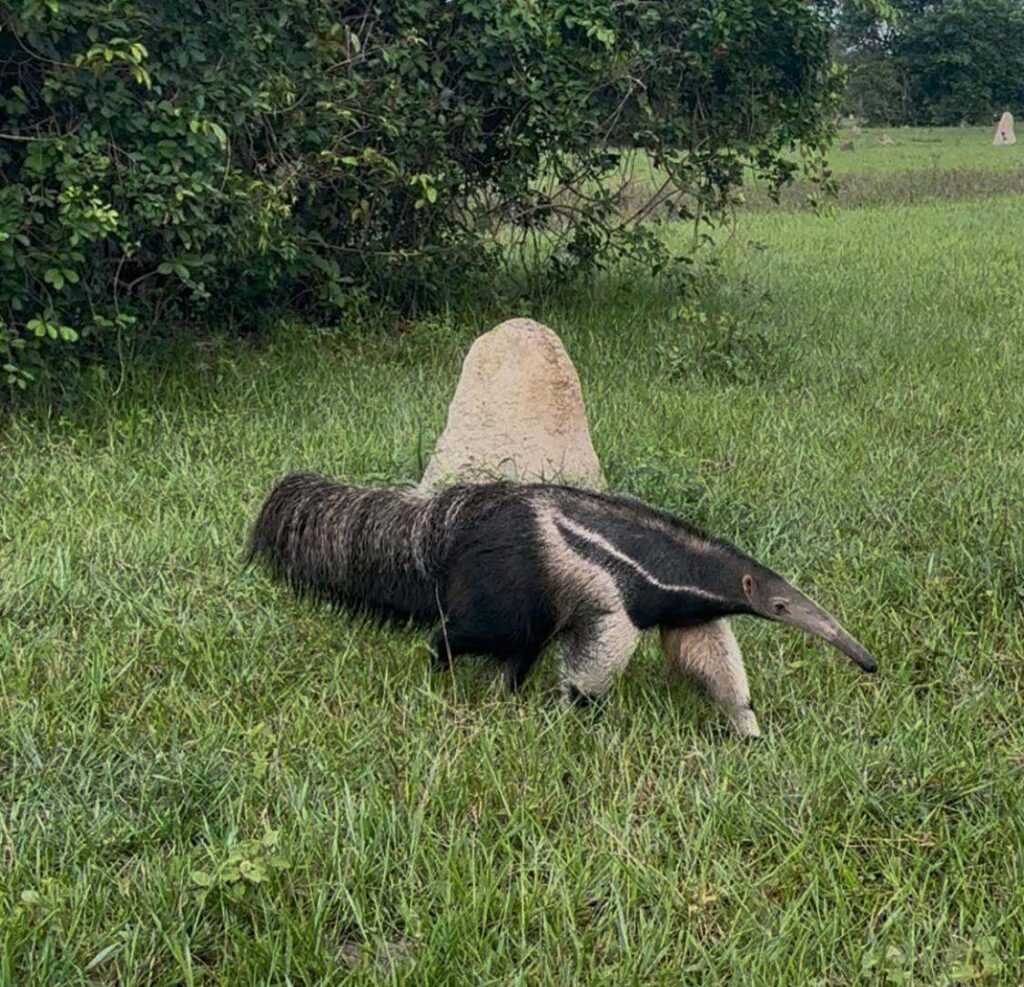
(Myrmecophaga tridactyla) is one of the most iconic and fascinating animals of the Americas. Native to Brazil, Central America, and parts of South America, this unique mammal is a true highlight for visitors who enjoy wildlife, nature, and ecotourism experiences.
Easily recognized by its long snout, bushy tail, and striking black-and-white markings, this animal can grow over 2 meters long, including its tail. Despite its size, it is a calm and peaceful animal, spending most of its time walking slowly through forests, savannas, and grasslands in search of food.
This mammal feeds almost exclusively on ants and termites. Using its long, sticky tongue, it can eat thousands of insects every day, helping to naturally control insect populations and maintain ecological balance. It has no teeth, which makes its feeding behavior even more impressive to observe in the wild.
Visitors may spot the giant anteater during the early morning or late afternoon, when it is most active. With an excellent sense of smell, it locates insect nests hidden underground. When resting, it often curls up and uses its large tail as a blanket, a charming and memorable sight for nature lovers.
Although gentle, this creature has powerful claws, used to break open termite mounds and for self-defense if threatened. For this reason, respectful distance and quiet observation are always recommended during wildlife encounters.
Sadly, the giant anteater is considered a vulnerable species, mainly due to habitat loss, wildfires, and road accidents. By supporting responsible tourism specially in the Pantanal, visitors play an important role in protecting this remarkable animal and its habitat.
Seeing a wonderful animal like this in its natural environment is a rare and unforgettable experience — a true connection with the wild heart of nature.
Giant Anteater loves food
The giant anteater is a fascinating animal known for its special diet and unique way of feeding. It eats mainly ants and termites, and in just one day it can consume thousands of insects. This helps keep nature in balance by controlling insect populations.
To catch its food, the giant anteater uses its long, sticky tongue, which moves very fast. Even though it eats hard-shelled insects, the giant anteater has no teeth. Instead, it swallows its food whole, and its strong stomach muscles help grind the insects.
The mammal finds food using its excellent sense of smell, not its sight. When it locates an ant nest or termite mound, it uses its strong front claws to open it and quickly feeds before the insects escape.
Because of its diet, he plays an important role in the ecosystem. By eating large numbers of ants and termites, it helps protect forests and grasslands from damage.
Simple facts to remember: the giant anteater eats ants and termites, uses a long tongue to catch them, has no teeth, finds food by smell, and helps nature stay balanced.